Why Mast & Substructure Inspection is Critical
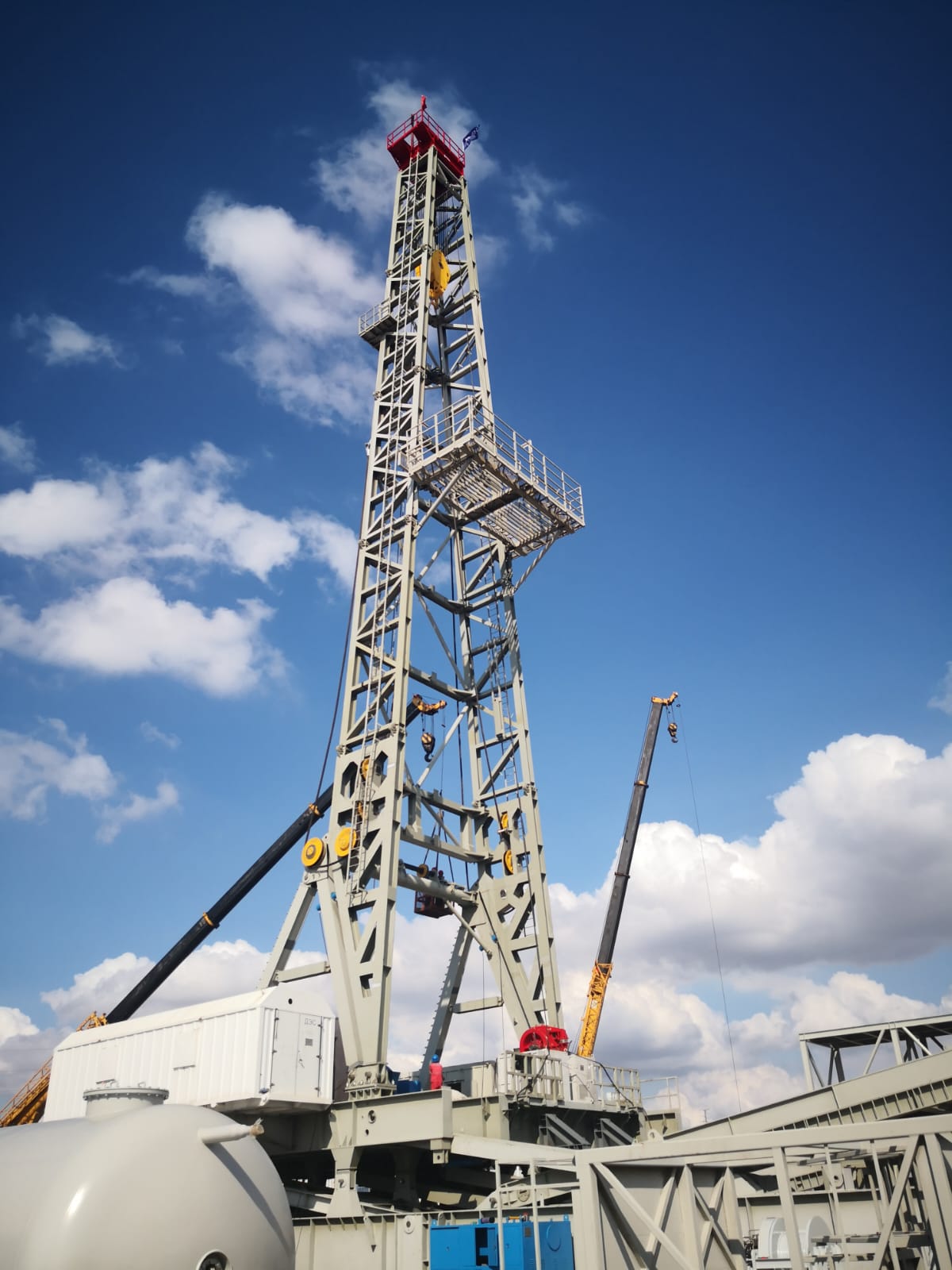
The drilling mast (derrick) and substructure are the primary load-bearing structures of a drilling rig. They support enormous loads during drilling, tripping, and casing running operations. Over time, these structures are subjected to cyclic loading, vibration, environmental exposure, and the stresses of rig moves, all of which can lead to fatigue cracking, corrosion, and structural degradation.
Failure of a mast or substructure component can have catastrophic consequences, including collapse, equipment damage, injuries, and loss of life. Regular MPI inspection is essential to identify defects before they compromise structural integrity.
Components We Inspect
Mast Legs & Bracing
Inspection of main mast legs, diagonal bracing, horizontal bracing members, and all welded connections for fatigue cracks and structural damage.
A-Leg & Racking Board
MPI of A-leg connections, racking board support structure, and pipe-handling components for surface-breaking defects.
Substructure Members
Inspection of substructure beams, base plates, rotary support structure, and cellar area structural components.
Crown Block & Traveling Block
MPI of critical lifting components including sheave shafts, side plates, pins, and bearing housings.
Pin & Lug Connections
Focused inspection of high-stress connection points, pins, lugs, and pivot points that are prone to fatigue cracking.
Deadline Anchor & Accessories
Inspection of deadline anchor, safety clamps, and associated hardware for cracks and wear.
Our Inspection Process
Planning & Preparation
Reviewing rig drawings, previous inspection records, and establishing an inspection plan covering all critical areas and components per applicable standards.
Surface Cleaning
Preparing inspection surfaces by removing paint, grease, and surface contaminants from designated test areas to ensure reliable MPI results.
MPI Examination
Performing magnetic particle inspection using yoke magnetization technique on all designated areas, with particular attention to weld toes, connection points, and high-stress zones.
Evaluation & Assessment
Evaluating all indications against acceptance criteria. Assessing the structural significance of any defects found and determining their impact on safe operation.
Reporting & Recommendations
Preparing a comprehensive inspection report with photographic documentation, defect mapping, and recommendations for repair or monitoring as needed.